
Why do profiles become brittle? I will show you in this article.
For quite some time, the brittleness of plastic profiles has been a persistent issue hindering the normal operations of various profile manufacturing enterprises. Whether judged by the visual appearance of the cross-section or the level of acceptance among door and window assembly plants, profile brittleness invariably—and to varying degrees—negatively impacts these companies’ market share and corporate reputation. Fundamentally, profile brittleness is fully manifested in the compromised physical and mechanical properties of the finished products. Its primary symptoms include chipping or splintering during the cutting process, and cracking under cold punching. There are numerous factors contributing to the poor physical and mechanical performance of profile products; these causes are predominantly categorized into the following types:
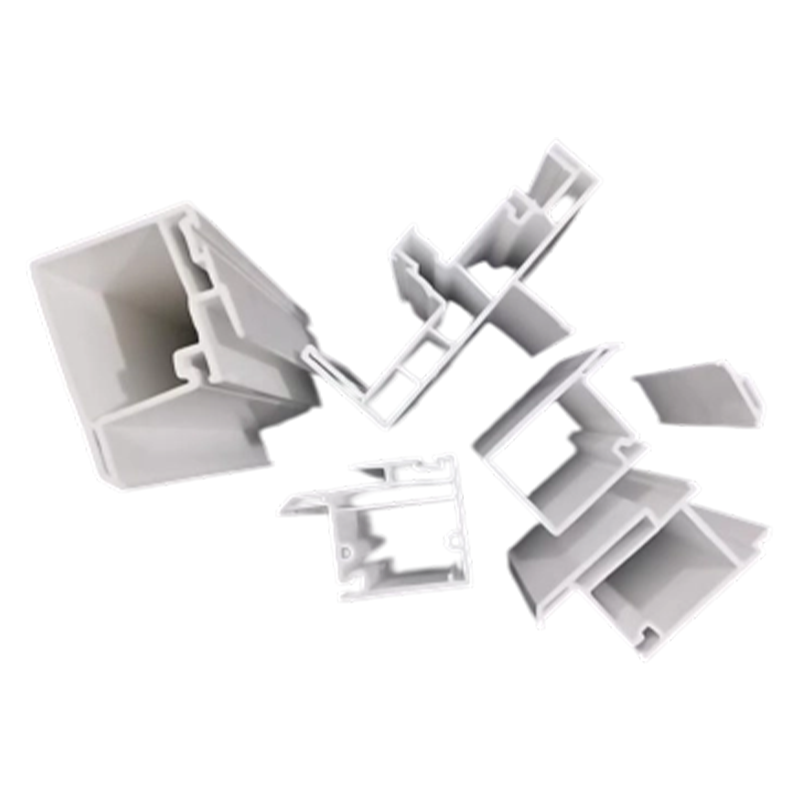
Inappropriate extrusion process
(1) Excessive or insufficient material plasticization. This is related to process temperature settings and the feed ratio. Excessively high temperature settings lead to over-plasticization, causing the decomposition and volatilization of lower-molecular-weight components; conversely, excessively low temperatures result in incomplete fusion between molecular components, leading to a weak molecular structure. Regarding the feed ratio, an excessively high ratio increases the material’s heated surface area and shear forces, as well as the pressure, making over-plasticization likely; conversely, an excessively low ratio reduces the heated surface area and shear forces, resulting in under-plasticization. Both over-plasticization and under-plasticization can cause chipping or splintering when the profiles are cut.
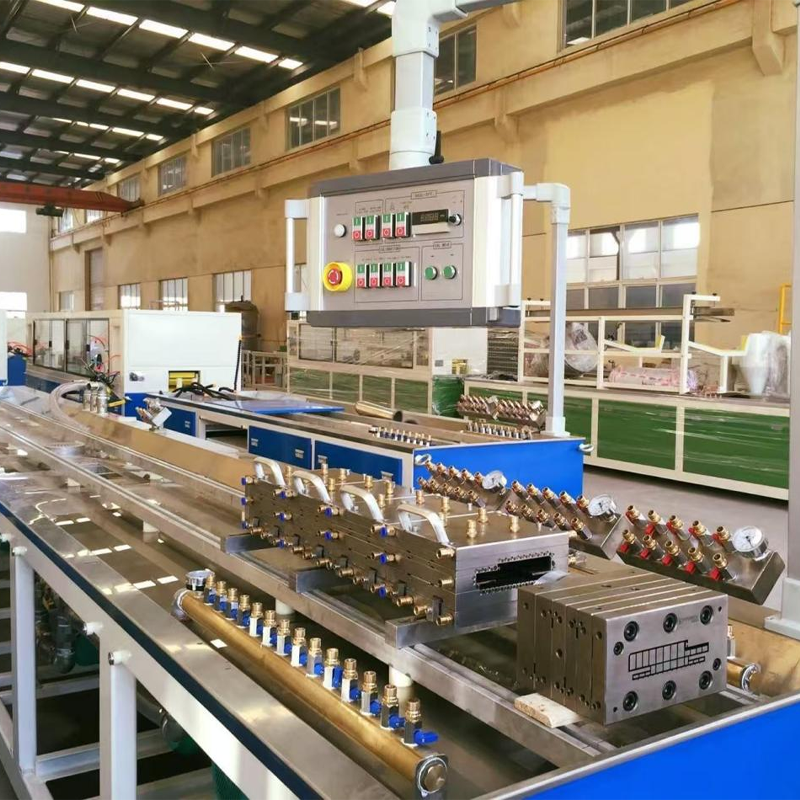
(2) Insufficient die head pressure is attributable to two factors: mold design (discussed separately below) and the feed ratio/temperature settings. Insufficient pressure results in poor material compaction, leading to a loose internal structure and material brittleness; in such cases, the metering feed speed and extrusion screw speed should be adjusted to maintain the die head pressure between 25 MPa and 35 MPa.
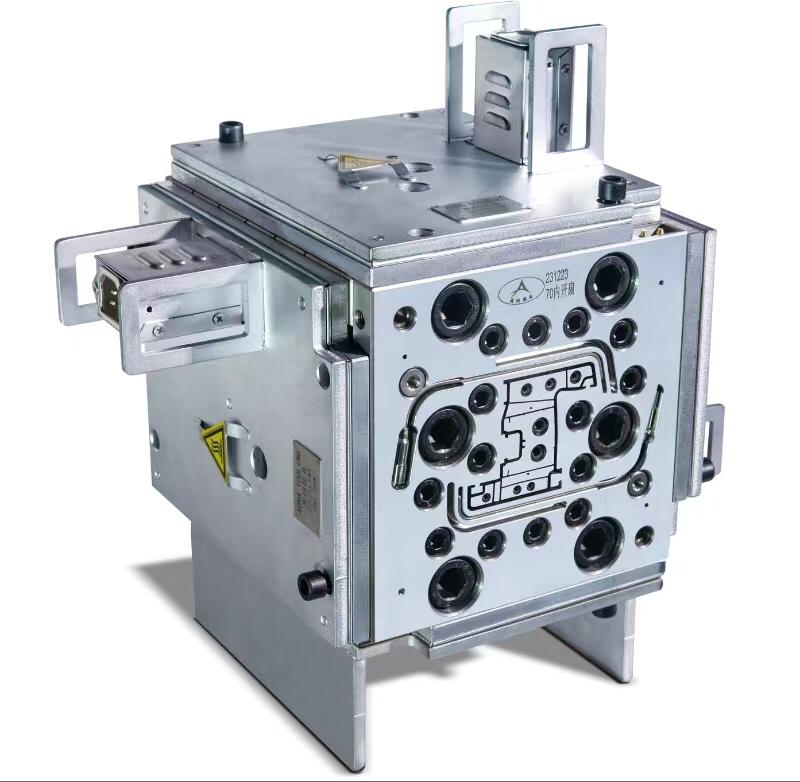
(3) Failure to remove low-molecular-weight components from the product. These components typically originate from two sources: first, during hot mixing—where they can be removed via dehumidification and exhaust systems; and second, as residual moisture and hydrogen chloride gas generated under the heat and pressure of extrusion. The latter are generally forcibly removed using the forced exhaust system in the main extruder’s venting section, with a vacuum level typically maintained between -0.05 MPa and -0.08 MPa. If the system is not activated or the vacuum level is too low, low-molecular-weight components will remain in the product, leading to a decline in the profile’s mechanical properties.
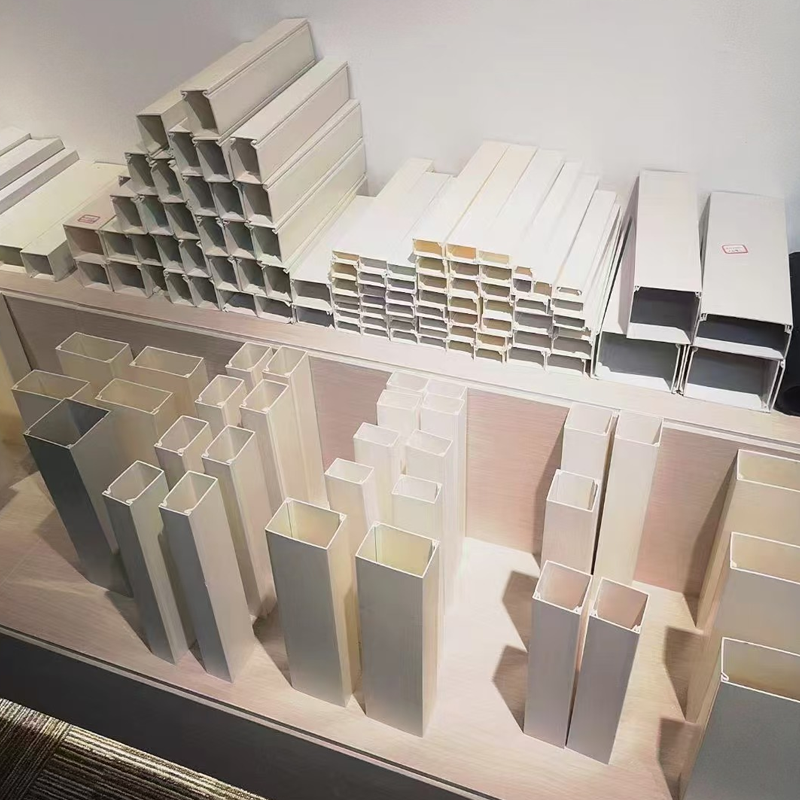
(4) Excessively low screw torque. Screw torque reflects the mechanical load experienced by the equipment; settings such as process temperatures and feed ratios directly influence this value. Low screw torque often indicates that temperatures are too low or feed ratios are insufficient, preventing the material from becoming fully plasticized during extrusion and thereby compromising the mechanical properties of the profile. Depending on the specific extrusion equipment and tooling, maintaining screw torque within the 60%–85% range is generally sufficient to meet requirements.
(5) Mismatch between haul-off speed and extrusion speed. Excessive haul-off speed results in thinner profile walls and reduced mechanical properties, whereas insufficient haul-off speed subjects the profile to high resistance and places the product under high tension, which also adversely affects its mechanical properties.