
Extrusion is a widely used metal forming process for producing variousprofiles, pipes, rods, and other shapes. The extrusion die, being the core component of this process, directly affects the quality of the final product and the efficiency of production. Steel, as the primary material for extrusion dies, plays a crucial role in determining the longevity and performance of the dies. This article explores the importance of steel in extrusion dies from multiple perspectives.
1. Hardness and Wear Resistance of Steel
During the extrusion process, metal material is forced through the die at high pressure and temperature. The steel used in the die must possess sufficient hardness and wear resistance to withstand the repeated friction and stress exerted by the flowing material. The die surface experiences significant wear, especially under high-temperature conditions, making wear resistance an essential factor. High-hardness, wear-resistant steel helps to extend the service life of the die and reduce maintenance costs. We can offer heat treatment hardness: HRC26-32
2. High-Temperature Performance of Steel
Extrusion takes place at elevated temperatures, where the metal material undergoes plastic deformation. Therefore, the steel used for extrusion dies must have excellent high-temperature performance. The ability of steel to withstand high temperatures ensures that the die maintains its stability during prolonged use without experiencing thermal distortion or cracking. Good high-temperature performance also ensures the accuracy and shape stability of the die, even under challenging conditions.
3. Heat Treatment and Machinability of Steel
To enhance the properties of the steel, extrusion dies often undergo heat treatment processes such as quenching and tempering. These treatments improve the hardness, strength, and wear resistance of the material. Additionally, the machinability of the steel is an important consideration when selecting materials for the die. Steel with good machinability reduces manufacturing difficulties and improves production efficiency and precision. Extrusion die steels typically need to be easily machinable to meet the complex structural requirements during production.
4. Fatigue Resistance of Steel
Over time, extrusion dies are subjected to repeated stress and pressure, which can lead to fatigue damage. Therefore, the fatigue resistance of the steel is a critical factor in determining the material’s suitability for die manufacturing. Steel with high fatigue resistance helps to prevent cracks and fractures from developing over extended use, ensuring the die remains reliable and stable under continuous operation.
5. Cost and Sustainability of Steel
Cost is also a significant factor when selecting steel for extrusion dies. While high-performance steel provides superior die characteristics, it is generally more expensive. As a result, it is important to find a balance between performance and cost. Additionally, with the increasing emphasis on environmental sustainability, the recyclability and environmental impact of steel are becoming important considerations. Choosing steel that is recyclable and environmentally friendly can reduce the ecological footprint of the manufacturing process, promoting green manufacturing practices. We have Germany steel din1.2316 and Chinese steel 3Cr17, both meet different customers’demands.
6. Aona Handle
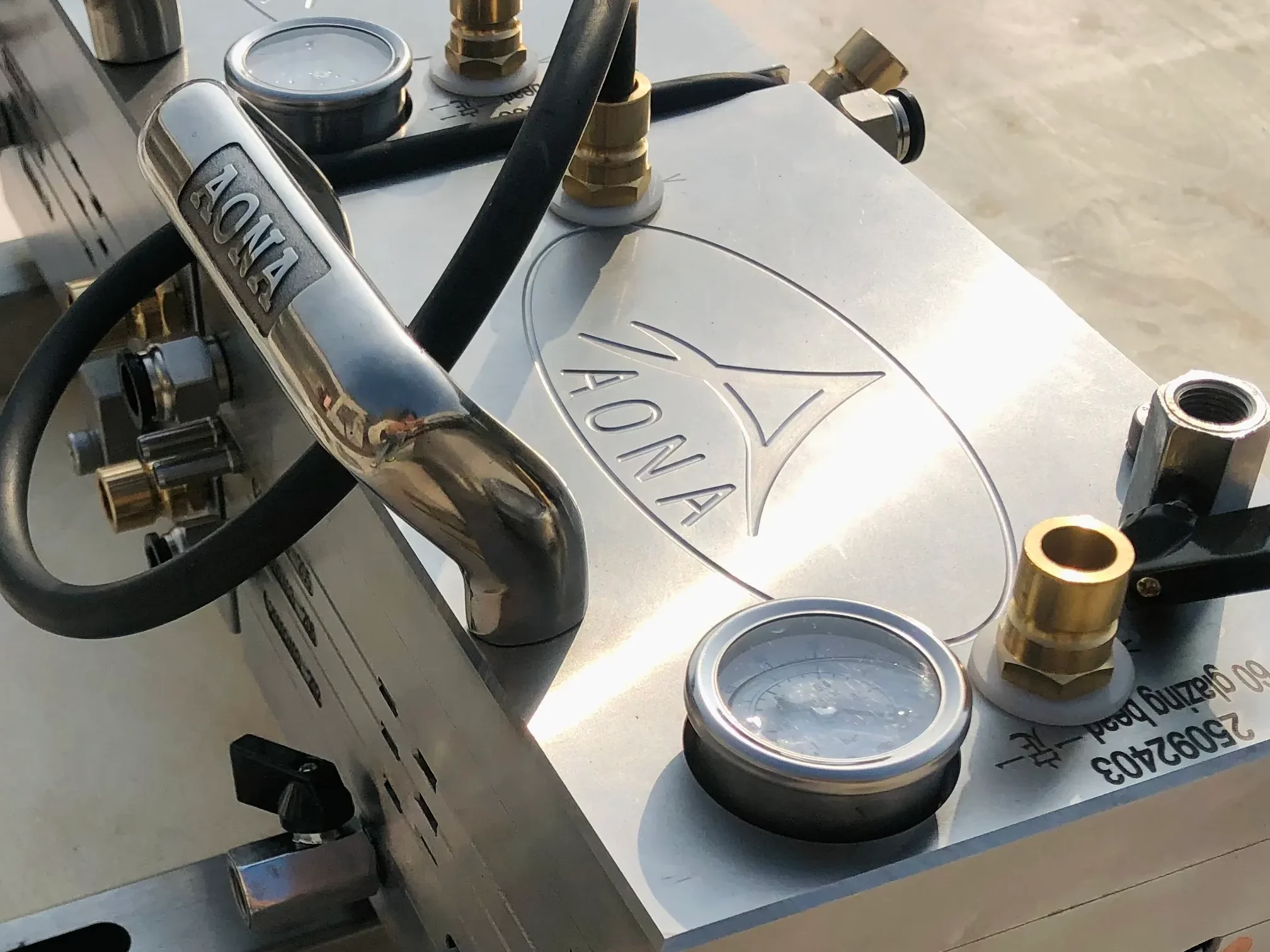
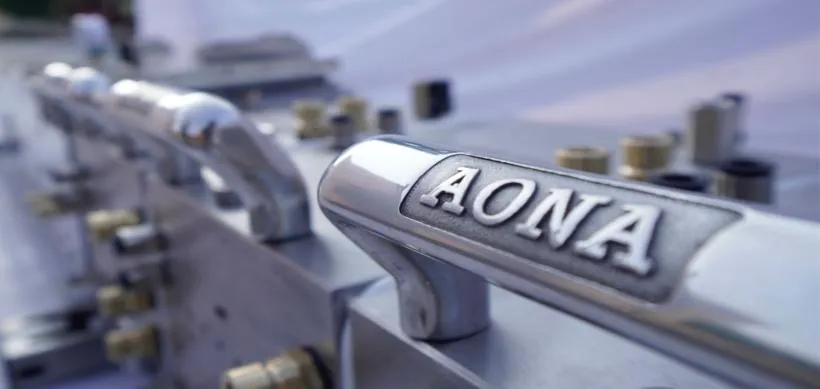
All the handles on the calibrators are made of 304 stainless steel with our company’s logo. They are very strong and durable and will not break even after 100 years of use.
Different steel effects the production but customers should choose the suitable one according your needs.